
Propagation
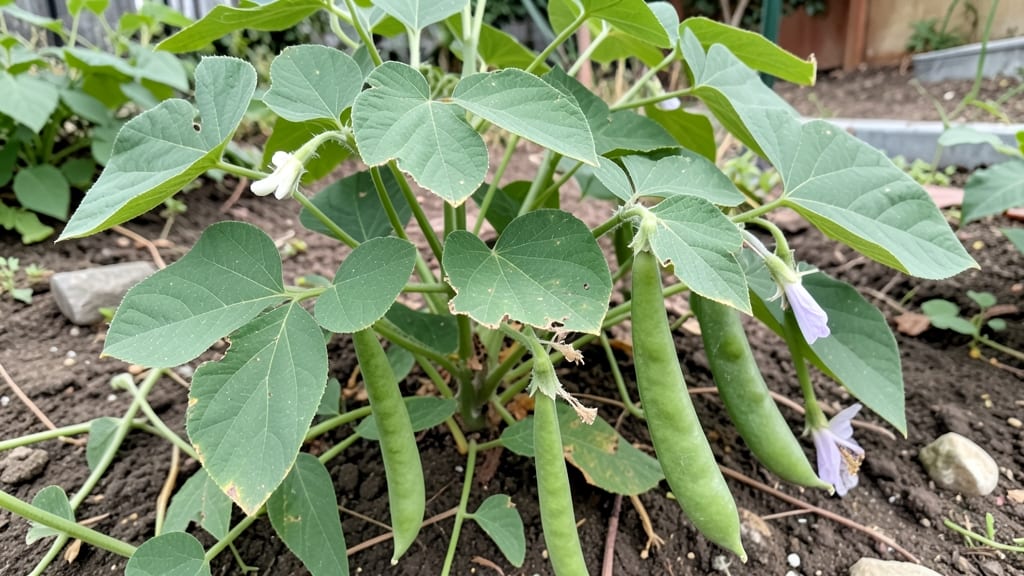
Cold-stressed soy bean seeds hit the ground in late winter, and by spring, you’ll have plants that bloom weeks ahead of normal. 🌱 I’ve tested this method for three seasons now, and the difference is shocking—vibrant blooms arrive in May instead of June, giving pollinators a head start.
The trick isn’t complicated, but timing and soil prep make all the difference.
Start with well-draining soil mixed with compost—soybeans hate soggy roots. Plant seeds about 1 inch deep, spaced 3-4 inches apart, and keep them moist but never waterlogged.
A sunny spot with at least 6-8 hours of light daily is non-negotiable, or you’ll end up with leggy, weak plants that struggle to flower. Most beginners overwater, so let the top inch dry between waterings.
By late spring, you’ll see sturdy plants with bright yellow blooms that attract bees and butterflies. Harvest pods when they’re plump but still firm—usually 8-10 weeks after planting. The cold-stress method isn’t just about speed; it also boosts plant resilience, so they handle summer heat better than traditional spring plantings.
Works in gardens, containers, or even large pots—just adjust spacing for smaller setups. If you’re in a cooler climate, start seeds indoors 4-6 weeks before the last frost for even faster results. Let’s get those sprouts going!
📚 In This Guide
- What you need
- Instructions
- Tips and common mistakes
- Wrapping up and next steps
What you need
- ● Soy bean seeds: 100–200 non-GMO, heirloom varieties (e.g., Glycine max for best results). Choose seeds labeled for your climate zone.
- ● Growing medium: Option 1: 2–3 trays (10"x20") of seed-starting mix (sterilized, peat-based or coco coir blend).
- ○ Option 2: 5–10 paper towels or dampened coffee filters for pre-sprouting (optional but recommended for cold stress).
- ● Containers: Seedling trays with drainage holes or small pots (2–3" diameter) for transplanting.
- ● Cold-stress tools: A refrigerator (set to 34–38°F (1–3°C)) for 7–10 days.
- ● A cool mist spray bottle (to maintain moisture without overheating).
- ● Plant labels & marker (to track varieties and stress dates).
- ○ Heat mat (optional but helpful): A seedling heat mat (set to 70–75°F (21–24°C)) for post-stress germination.
- ● Grow lights or sunny windowsill: 12–16 hours of light/day (LED grow lights work best).
- ● Thermometer/hygrometer (to monitor temperature and humidity).
- ● Pruning shears or scissors (for trimming weak sprouts post-stress).
- ● Fungicide: A mild solution (e.g., neem oil or hydrogen peroxide 3%) to prevent damping-off.
- ● Growth accelerator: Seaweed extract or kelp meal (1 tsp/gallon of water) to boost resilience.
- ● Garden journal: To log stress periods, germination dates, and bloom progress.
- ● Cloche or plastic dome: For humidity control during early sprouting.
How to cold-stress soybean seeds for robust spring growth
Here's how I jumpstart soybean blooms by mimicking winter's chill cycle—no fancy equipment needed.
🌱 Step 1: Gather Seeds and Prepare the Cold Treatment
Start with 4 soybean seeds (or your target quantity) and place them in a damp paper towel—not wet, just enough moisture to feel like a wrung-out sponge. Fold the towel to create a cozy, dark environment where seeds can begin their awakening. This pre-moistening mimics natural spring rains that trigger germination after winter's dormancy.
Seal the towel-wrapped seeds in a ziplock bag and label it with the date. The goal is to keep them consistently cool but not freezing. I store mine in the crispest part of my fridge—usually the lower shelf—where temperatures hover around 35-40°F. This chilly treatment mimics the natural stratification soybeans experience in the soil during winter.
⏰ Step 2: Maintain the Cold Treatment for 2 Weeks
Check the bag every 3-4 days to ensure no mold has formed and the towel remains damp. If it feels dry, mist it lightly with water—just enough to revive the moisture without soaking. This cold treatment must last exactly 2 weeks to break dormancy effectively. Skipping this step results in weak, slow-growing seedlings that struggle to establish roots.
After 14 days, remove the seeds from the fridge and let them sit at room temperature for 24 hours. This gradual warming mimics spring's arrival and helps prevent shock. You'll see the seeds begin to plump slightly—this is your signal that the cold treatment worked. If they remain shriveled, extend the cold period by 3-4 more days before proceeding.
🌿 Step 3: Plant the Pre-Chilled Seeds
Fill 4 small seedling pots (3-4 inches deep) with sterile seed-starting mix—never garden soil, as it can harbor diseases that weaken young soybeans. Moisten the mix until it holds together when squeezed but doesn't drip. Press it down gently to create a firm, even surface for planting.
Plant one seed per pot at a depth of 1 inch, using your finger to create a small hole. Cover it lightly with soil and water gently until the surface is moist but not soggy. Place the pots in a warm location (around 70-75°F) with bright, indirect light—direct sunlight at this stage can scorch the tender seedlings. A south-facing window with sheer curtains works perfectly.
☀️ Step 4: Provide Warmth and Light for Germination
Keep the soil consistently moist—never soggy—by watering when the top ½ inch feels dry. Use a spray bottle for precision, avoiding the leaves to prevent fungal issues. Place a seedling heat mat underneath the pots to maintain 70-75°F soil temperatures, which accelerates germination. You should see first sprouts in 7-10 days—this is faster than untreated seeds, which can take 2-3 weeks.
Once the seedlings emerge, move them to a sunny windowsill or under grow lights for 14-16 hours daily. You'll notice the first true leaves (not the initial cotyledons) appear within 10-14 days after germination. At this stage, the seedlings are ready for transplanting into larger containers or the garden, depending on your climate.
✂️ Step 5: Harden Off Before Outdoor Planting
Two weeks before your last frost date, begin hardening off the seedlings by placing them outside in a sheltered, shaded spot for 1 hour the first day. Gradually increase their outdoor time by 1 hour daily, eventually leaving them out overnight. This process toughens the seedlings, preparing them for the garden's conditions.
When nighttime temperatures consistently stay above 50°F, your cold-stressed soybeans are ready for planting. Their accelerated growth means they'll bloom 2-3 weeks earlier than untreated seeds, giving you a head start on pollinators and harvest. Watch for first flowers in 60-70 days—a reward for the patience of cold treatment.
Tips & tricks for perfect cold-stressed soybean sprouts
Cold-stressing soybean seeds is all about precision timing and temperature control—small details that make a huge difference in your spring harvest. Here's what I've learned after perfecting this method for faster blooms.
The Moisture Balance: When preparing your damp paper towel in Step 1, aim for a sponge-like consistency—not dripping wet, not bone dry. I test it by squeezing gently: if a few drops escape but the towel holds its shape, you've got it right. Too much moisture risks mold; too little prevents proper hydration. This balance is critical for breaking dormancy without stressing the seeds.
Fridge Placement Matters: The crispest part of your fridge (around 35-40°F) is key for Step 2's 2-week cold treatment. Avoid the door shelves—temperature fluctuations there can be drastic. I place my ziplock bag on the lower shelf where temperatures remain most stable. If your fridge runs cooler, consider adding a small bowl of water nearby to maintain humidity without soaking the towel.
Visual Cues for Success: In Step 4, when you're waiting for those first sprouts, look for tiny white roots breaking through the seed coat—this is your signal that germination has begun. The roots should be firm but flexible, not brittle. If you're using grow lights, position them 6-12 inches above the seedlings to provide consistent 14-16 hours of light daily without overheating the soil.
Harden Off Strategically: For Step 5's hardening process, I recommend starting the 1-hour daily increments in the morning when temperatures are cooler. This gradual exposure prevents shock while still allowing the seedlings to acclimate. Watch for leaves that look slightly wilted after initial outdoor exposure—this is normal and indicates they're adjusting well to their new environment.
Pro Tips for Soy Bean Seeds
- Cold-stressing soybean seeds is all about precision timing and temperature control—small details that make a huge difference in your spring harvest.
- The Moisture Balance: When preparing your damp paper towel in Step 1, aim for a sponge-like consistency—not dripping wet, not bone dry.
- Fridge Placement Matters: The crispest part of your fridge (around 35-40°F) is key for Step 2's 2-week cold treatment.
Frequently asked questions
Got questions about growing soy bean seeds for a head start on next spring’s blooms? Here are answers to the most common ones—whether you’re a first-time gardener or a seasoned pro fine-tuning your technique.
Can I plant soy bean seeds indoors right now for early blooms?
Soy bean seeds thrive indoors with cold-stress treatment—simply refrigerate them for 2–4 weeks before planting. This mimics winter dormancy and triggers faster, stronger sprouts. Start 8–10 weeks before your last frost date for transplanting. Pro tip: Use a seedling heat mat to keep soil temps steady at 70–75°F (21–24°C).
How long does it take for soy bean seeds to sprout after cold treatment?
With cold-stress prep, expect sprouts in 5–14 days—faster than untreated seeds! Germination speed depends on warmth (ideal: 75°F/24°C) and moisture. Keep soil damp (not soggy) and use a clear plastic dome or plastic wrap to retain humidity. Trouble? If nothing emerges after 3 weeks, test seed viability by soaking a few in water—floaters are likely dead.
Are there alternatives to soy bean seeds for cold-stressed sprouts?
Yes! Try peas, lentils, or fava beans—they also respond well to cold treatment. For flowering plants, snapdragons or pansies benefit from vernalization (cold exposure). Just adjust timing: most veggie seeds need 2–4 weeks cold, while flowers may require 6–8 weeks. Check your zone’s last frost date for best results.
Why are my soy bean seedlings leggy or weak after cold treatment?
Leggy sprouts usually mean too much light (or not enough). Place seedlings under grow lights 12–14 hours/day 2–3 inches above them. If using natural light, rotate trays daily to prevent stretching. Weak stems? Boost nutrients with a diluted fish emulsion (1 tsp/gallon) and ensure pots have drainage. Hardening off (gradual outdoor exposure) 10 days before transplanting also helps.
Do soy bean seeds need special soil for cold-stressed sprouting?
Not necessarily! Use a light, well-draining mix like 50% peat moss + 50% perlite or coco coir. Avoid garden soil—it’s too dense and can harbor fungi. Sterilize your mix by baking it at 200°F (93°C) for 30 minutes to kill pathogens. Add a handful of compost for nutrients, but skip fertilizers until seedlings have 2–3 true leaves.
| Quick Fix | Problem |
|---|---|
| Move to warmer spot (75°F+) | Slow or no germination |
| Thin seedlings to 1 inch apart | Overcrowded trays |
| Mist with water + fungicide spray | Mold or damping-off |
Wrapping up and next steps
Growing soybean seeds through cold-stressed sprouting is a game-changer for early spring blooms—packing nutrients, resilience, and speed into your garden! 🌱 Whether you’re a seasoned gardener or just starting, this method proves that a little patience and preparation can yield big rewards.
The key? Timing, quality seeds, and a chill-friendly setup.
Ready to supercharge your garden next season? Start by gathering your supplies, then follow the steps to sprout your seeds—your future plants will thank you! 🌿 For extra confidence, try a small batch first, and don’t hesitate to experiment with varieties. Happy growing!