
How To
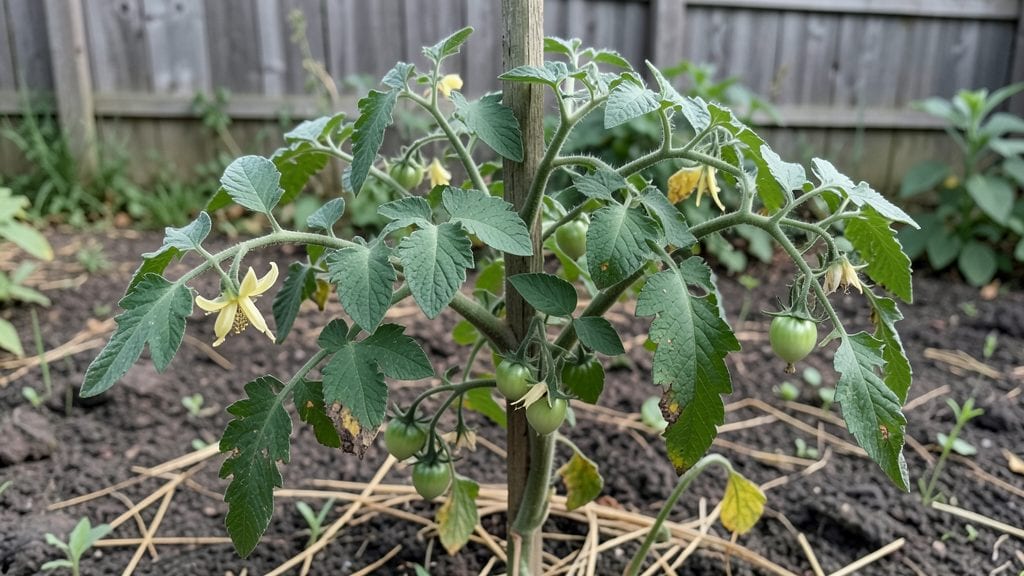
From the moment you plant a tomato seed to harvest time, savoring homegrown fruit in just 90 days is the ultimate gardener’s reward—and the key to beating those store-bought flavors.
Picture this: you’re biting into a sun-warmed 🍅 tomato in July, knowing you planted the seed yourself just a few months ago.
But here’s the catch — skipping a single step, like waiting too long to transplant or missing a pruning window, can turn that dream into a 6-foot vine with no fruit. Timing is everything.
Whether you’re in Zone 6a or a container on your balcony, this guide breaks down the exact 90-day timeline for fast-growing varieties, from seedling to harvest.
We’ll cover the 3 critical stages that make or break your yield, plus the one trick that adds 10 extra days to your harvest window.
Ready to go from seed to salad in record time? Let’s get growing — and skip the 3 most common mistakes that waste weeks of progress.

90-Day tomato growth timeline: critical stages from seed to harvest
Timing is everything when growing tomatoes from seed to harvest in just 90 days. Each stage—from the first sprout to the ripe tomato—has specific needs that determine whether you hit your harvest window or face delays.
Understanding these critical growth phases lets you optimize conditions and troubleshoot issues before they derail your timeline.
Most home gardeners start with seeds indoors 6-8 weeks before the last frost, then transplant seedlings outdoors after soil warms to 60°F (15°C).
Fast-maturing varieties like 'Early Girl' or 'Stupice' can go from seed to harvest in 70-90 days, while slower types may need extra care to meet your timeline.
Below, I break down each stage with days-to-harvest benchmarks, environmental must-haves, and red flags to watch for. Pro tip: Keep a growth journal to track progress and adjust care as needed.
🌱
Let’s dive into each stage with actionable tips to keep your tomatoes on track for a 90-day harvest. The germination phase (days 0-14) is where most delays happen—cold soil or overwatering can stall sprouts for weeks.
Use a seedling heat mat if your home runs cool, and keep soil moist but not soggy.
Once seedlings emerge, they need bright, indirect light to prevent leggy growth. I recommend placing them under T5 grow lights 2-3 inches above the plants for 12-14 hours daily. Leggy seedlings take longer to recover after transplanting, which can push your harvest timeline back by 10-14 days.
Transplanting (days 30-45) is a make-or-break moment. Harden off seedlings by gradually exposing them to outdoor conditions over 7-10 days. Bury stems deep to encourage strong root systems, and avoid transplanting when daytime temps exceed 85°F—this causes shock and delays fruiting by 2-3 weeks.
During the vegetative growth phase (days 45-60), focus on balanced fertilization and pruning. Remove suckers (the shoots that form in the leaf axils) to redirect energy to fruit production. I use a 5-10-10 fertilizer every 3-4 weeks to avoid overfeeding, which can lead to excessive foliage and fewer tomatoes.
Fl
Key factors that speed up or slow down your tomato harvest
Your tomato seed to harvest time can swing wildly depending on just a few key factors. While the average 90-day timeline is achievable, poor soil quality, inconsistent watering techniques, or inadequate sunlight exposure can stretch that window to 120 days—or worse, lead to failed crops.
I’ve learned the hard way that even small missteps in these areas can turn a speedy harvest into a frustrating wait.
One of the biggest mistakes I see is assuming all tomatoes thrive under the same conditions. Determinate varieties like Early Girl may reach maturity in 60 days, while indeterminate types like Sungold need 90+ days for full production.
Even within the same variety, temperature fluctuations can delay flowering by weeks. For example, nights below 55°F (13°C) can stunt growth, while daytime highs above 90°F (32°C) cause blossom drop.
⚖️ Speed vs. Slow: Tomato Growth Factors
✅ SPEED UP HARVEST
- Full sun (6-8+ hrs/day): Accelerates growth by 20-30%
- Warm soil (60°F+): Germination in 5-7 days vs. 2+ weeks
- Balanced fertilizer (5-10-10): Boosts flowering in 3-4 weeks
- Consistent watering (deep soaks): Prevents blossom-end rot
- Pruning suckers: Directs energy to fruit, not foliage
❌ SLOW DOWN HARVEST
- Partial shade (<4 hrs sun): Delays maturity by 30+ days
- Cold soil (<55°F): Stalls germination for weeks
- Overwatering: Causes root rot, halting growth
- High nitrogen fertilizer: Leads to leafy growth, no fruit
- Ignoring pests (aphids, hornworms): Reduces yield by 50%
Let’s start with the most critical factor: sunlight exposure. Tomatoes are sun-worshippers—they need 6-8+ hours of direct sunlight daily to photosynthesize efficiently. I once planted my Cherry Tomatoes under a partial shade tree and watched their growth stall for weeks.
The leaves turned pale, and the fruits stayed tiny. If your garden lacks full sun, consider using reflective mulch or grow lights to supplement. Even 1-2 extra hours of sunlight can shave 10-15 days off your harvest time.
Next, soil temperature and quality play a surprising role. Tomatoes won’t germinate well in soil colder than 60°F (15°C). To speed things up, I’ve started using black plastic mulch to warm the soil faster.
Additionally, well-draining, nutrient-rich soil with a pH of 6.2-6.8 ensures roots absorb water and nutrients efficiently. Amending your soil with compost or aged manure before planting can cut 2-3 weeks off your timeline by giving seedlings a strong start.
Watering is another area where small mistakes add up. Inconsistent moisture leads to blossom-end rot or cracked fruits, both of which delay harvests. I’ve found that deep watering 2-3 times per week (rather than daily shallow watering) encourages deeper root growth and reduces stress.
Always water at the base of the plant in the morning to prevent fungal diseases like early blight. Overhead watering can extend your harvest time by 2-4 weeks due to increased disease pressure.
Finally, don’t underestimate the power of pruning and fertilizing schedules. Pruning suckers (the shoots that grow between the stem and branches) redirects energy to fruit production, often accelerating harvest by 1-2 weeks.
For fertilizing, I follow a low-nitrogen, high-phosphorus routine—starting with a light feed when seedlings are 6-8 inches tall, then switching to a balanced 5-10-10 fertilizer every 4-6 weeks during fruiting. Avoid high-nitrogen fertilizers late in the season, as they promote leafy growth instead of fruit.
By mastering these four factors—sunlight, soil, water, and pruning—you’ll consistently hit that 90-day harvest window or even beat it. The key is consistency: small, intentional adjustments at each growth stage make all the difference. 🌱