
Watering
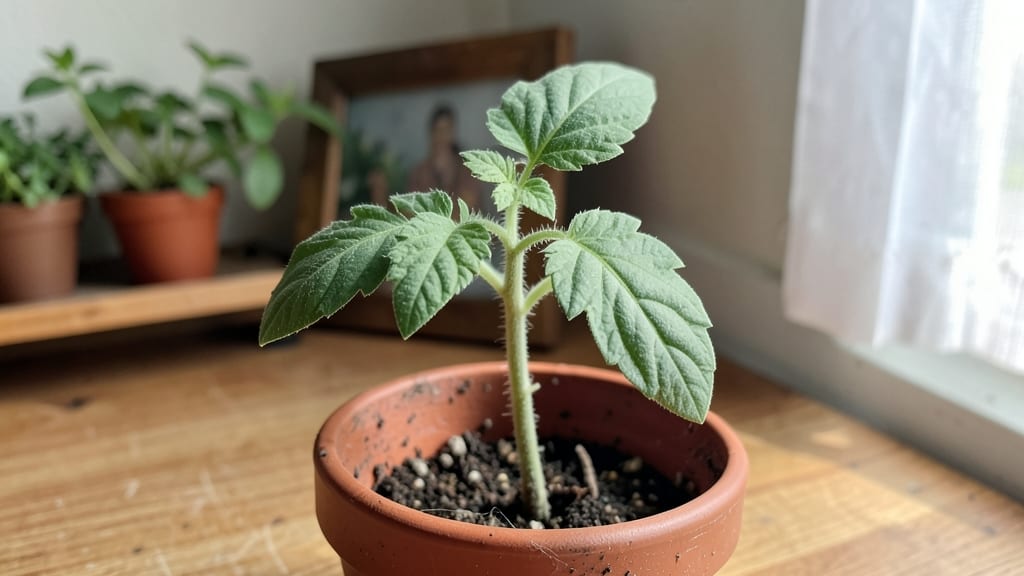
A seedling represents the critical transition phase where a plant shifts from relying on stored nutrients in the seed to producing its own energy through photosynthesis. 🌱 This stage is marked by the appearance of true leaves—distinct from the initial seed leaves (cotyledons)—which contain chlorophyll and allow the plant to harness sunlight.
The delicate root system also begins branching out, anchoring the plant and absorbing moisture from the soil, setting the foundation for future growth.
Understanding this phase helps gardeners provide the right care, like maintaining consistent moisture without overwatering, which can drown tender roots. Proper light exposure is equally crucial, as seedlings need bright, indirect light to prevent leggy growth while avoiding direct sun that can scorch their delicate leaves.
💡 In This Article
- Seedling Development Stages: From Germination to True Leaves
- How to Care for Seedlings in Home Gardening
Seedling development stages: from germination to true leaves
Here's what's actually happening when a seed transforms into a seedling: The process begins with the seed's radicle (embryonic root) breaking through the seed coat, followed by the hypocotyl (stem) pushing upward.
Within 3-14 days (depending on species and conditions), the first structures to emerge are the cotyledons—seed leaves that contain stored nutrients rather than chlorophyll. These are often mistaken for true leaves but serve as the plant's temporary energy source while it establishes roots.
The key factor is chlorophyll production, which kicks in when the first true leaves appear, typically 10-30 days after germination. These leaves are smaller, thinner, and more complex than cotyledons, with visible veins and serrated edges.
For example, a tomato seedling's true leaves emerge after the first pair of cotyledons unfurl, and they're what allow the plant to begin photosynthesis independently. The root system simultaneously elongates, developing lateral roots that branch out at 45-degree angles to maximize soil contact.
What most people don't realize is how rapidly this transition occurs: A seedling's root system can grow 1-2 inches per week under ideal conditions, while the shoot system grows 1/4 to 1/2 inch per day.
The plant's energy allocation shifts dramatically—from relying on the seed's stored starches to producing its own glucose through photosynthesis. This is why seedlings require 12-16 hours of light daily to fuel their rapid growth, or they'll become etiolated (stretched and weak) as they search for sunlight.
Consider these biological milestones in seedling development:
- Stage 1 (0-7 days): Radicle emergence and hypocotyl elongation, with cotyledons still inside the seed
- Stage 2 (7-14 days): Cotyledons unfurl above soil, while primary roots establish in soil
- Stage 3 (14-30 days): True leaves emerge with chlorophyll, enabling photosynthesis
- Stage 4 (30+ days): Lateral roots and secondary leaves develop, marking transition to juvenile plant
The science behind this involves hormonal regulation, particularly auxins that promote cell elongation in stems and roots. Gibberellins trigger the breakdown of starches in the seed, while cytokinins stimulate cell division in emerging leaves.
This hormonal symphony ensures the seedling allocates resources efficiently between above-ground growth and below-ground development. 🌱 For instance, a bean seedling's cotyledons may stay above ground for 2-3 weeks while true leaves develop, creating a distinctive "hook" shape that protects the delicate shoot as it pushes through soil.
Temperature plays a crucial role too: Most seedlings thrive at 65-75°F, but cold-sensitive species like tomatoes require 70°F+ soil temperatures to prevent stunted growth. The root zone must stay consistently moist (not soggy) to maintain cellular turgor pressure, which drives the upward growth of stems.
This is why gardeners often use seedling trays with drainage holes—excess water can suffocate roots by displacing oxygen.
Understanding these stages helps explain why seedlings are so vulnerable: Their small size means limited energy reserves, and their delicate structures lack the protective bark or waxy coatings of mature plants.
For example, a pepper seedling's true leaves are only 1/2 to 1 inch long at emergence, making them prone to damage from wind or pests. This vulnerability is why proper spacing (2-4 inches apart in trays) and gentle handling are critical during this phase. 💛