
Vegetables
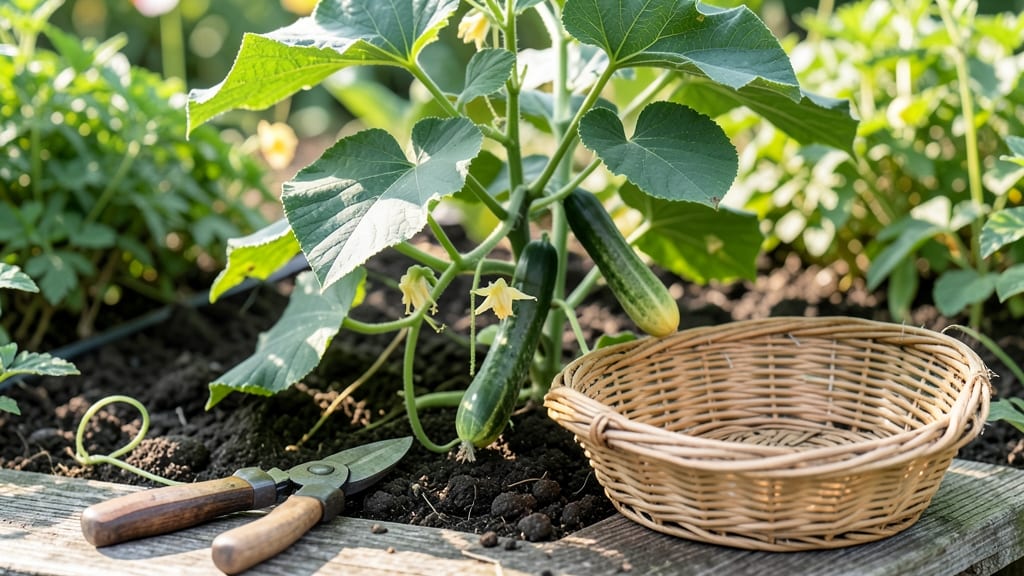
Edible green seeds like sunflower, pumpkin, and cucumber seeds must be fully ripe, properly harvested, and thoroughly cleaned before eating to prevent bitterness or toxicity. Always double-check their identification and prepare them correctly—roasting or drying brings out their best flavors while ensuring safety.
Many people overlook these nutritious gems, assuming they're only safe when fully matured. 🌱 The key to enjoying them lies in their preparation—proper drying or light roasting transforms their slightly bitter raw taste into a rich, nutty profile perfect for snacks or garnishes.
For instance, sunflower seeds gain a satisfying crunch when roasted with a pinch of salt, while cucumber seeds can be fermented for a tangy, umami kick in Asian-inspired dishes.
What's fascinating is how these seeds vary by region—some varieties naturally contain higher oil content, making them ideal for pressing into seed oils, while others are better suited for direct consumption.
Always harvest when the seed pods are fully hardened and the seeds inside are uniformly colored, as this indicates peak ripeness and safety.
💡 In This Article
- How to Identify Safe Edible Green Seeds
- Best Cooking Methods for Green Seed Preparation
How to identify safe edible green seeds
Distinguishing safe green seeds from toxic lookalikes starts with understanding their botanical families and physical traits. For example, sunflower seeds have a hard, striped shell that’s roughly 1/4-inch long, while castor bean seeds—highly toxic—feature a smooth, glossy black shell with a single pale green seed inside.
Cucumber seeds, another edible variety, appear as tiny, flat ovals clustered in jelly-like pulp, whereas squash seeds (also edible) are larger, flat and white with a thick outer shell. 🔥
The key safety check is shell hardness: edible seeds like pumpkin or sunflower have shells that require noticeable pressure to crack, while toxic seeds (like those from the castor plant) often have thinner, more brittle shells.
Seed size also matters—most edible green seeds measure between 1/8-inch to 1/4-inch in length, whereas toxic seeds like those from the black nightshade family are typically smaller than 1/16-inch and irregularly shaped. Always harvest seeds from plants you’ve positively identified, as visual similarities can be deceptive.
Regional growing practices add another layer of complexity. In Mediterranean climates, sunflower seeds mature with a deep golden-green hue and a slightly waxy coating, while those grown in cooler regions may appear paler.
Cucumber seeds from greenhouse varieties often have a softer texture due to controlled humidity, making them less bitter when raw. To confirm safety, press the seed between your fingers—if it squeezes easily or leaves a residue, it’s likely unripe or contaminated. 💫
Here’s a quick visual guide to avoid common mistakes:
- Edible: Sunflower seeds (striped, 1/4-inch, hard shell) or cucumber seeds (tiny, clustered, soft shell)
- Toxic: Castor beans (smooth, glossy black, single pale seed) or black nightshade seeds (tiny, irregular, often found in green berries)
- Test: Tap the seed—edible seeds make a hollow sound when dry, while toxic ones feel damp or mushy
Foragers should also note that some edible seeds (like those from wild cucumbers) can resemble toxic water hemlock seeds, which lack a hard shell and have a bitter, acrid taste.
Always taste a small amount first—if it causes tingling or numbness, spit it out immediately and seek medical help. Proper identification isn’t just about appearance; it’s about understanding the plant’s entire lifecycle and habitat. ✨
One advanced tip: Use a magnifying glass to inspect seed patterns. Edible seeds often have visible striations or ridges, while toxic seeds tend to be uniformly smooth. For example, pumpkin seeds display distinctive white veins when viewed closely, a trait absent in toxic lookalikes.
When in doubt, consult a local botanist or use a field guide specific to your region—misidentification can have serious consequences. 💛