
Blooming
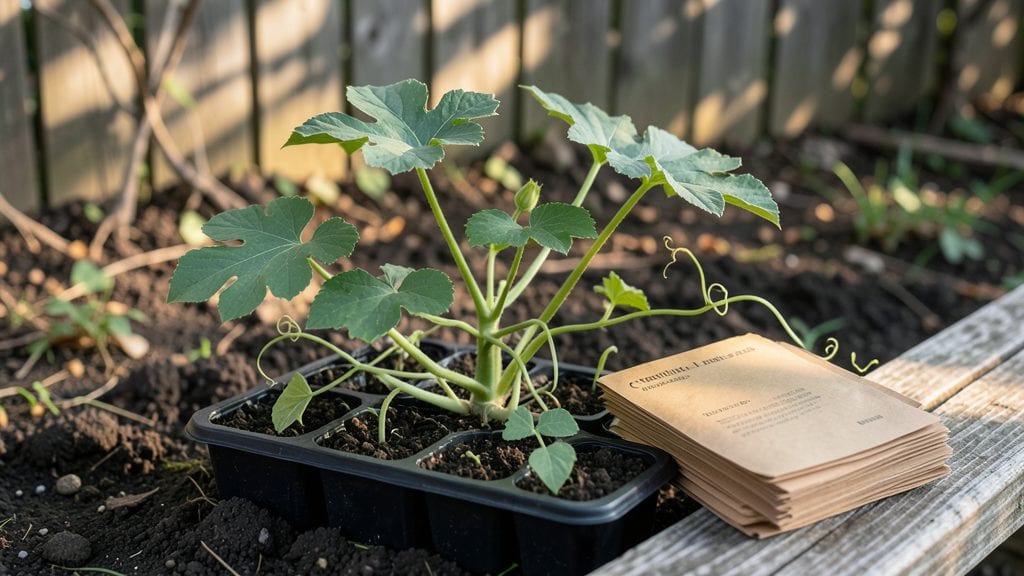
Watermelon seeds are sensitive little things—they need the right balance of warmth and moisture to kickstart their growth. 🌱 The enzyme activity inside the seed ramps up when soil hits that 70–90°F sweet spot, breaking dormancy faster.
I’ve seen seeds pop up in just 3 days when using a heat mat, but if the ground stays chilly or dry, they can take weeks to show life. That’s why I always test soil temperature before planting—it’s the difference between a thriving vine and a sad, slow start.
What’s wild is how quickly things change once they sprout. Those first tiny leaves mean the seed’s energy reserves are now fueling rapid growth, so keeping the soil consistently damp (not soggy) is key.
If you’re impatient, soaking seeds overnight before planting can shave off a day or two—but don’t overdo it, or you risk rot. And here’s a pro tip: plant them just ½ inch deep. Too shallow, and they dry out; too deep, and they struggle to break through.
💡 In This Article
- Watermelon Germination Science: Soil Temperature and Speed Factors
- Speeding Up Watermelon Seed Germination: Pro Tips for Gardeners
Watermelon germination science: soil temperature and speed factors
Here's what's actually happening inside that watermelon seed when you plant it: the enzymes inside—like amylase and proteases—begin breaking down stored nutrients when soil reaches 70°F or warmer. This biochemical activation is why warm soil (especially 80–90°F) can cut germination time nearly in half compared to cooler conditions.
The seed's outer coat softens as moisture penetrates, allowing the radicle (the first root) to emerge within 24–48 hours under perfect conditions. Cold soil (50°F) slows this process dramatically, sometimes by 10 days or more, because enzyme activity drops by up to 70%.
The sensitivity to cold comes from watermelon seeds' tropical origins. Their genetic makeup evolved for rapid growth in warm climates, so temperatures below 60°F can trigger dormancy-like behavior. Even a 10°F drop from 80°F to 70°F can double germination time.
That's why gardeners in cooler zones often use black plastic mulch—it raises soil temperature by 5–10°F by trapping heat.
The contrast between indoor and outdoor planting is stark: seeds in a 75°F heated mat may sprout in 3–5 days, while outdoor seeds in 65°F soil might take 14–21 days.
Moisture plays a dual role—too little and the enzymes can't activate properly, but too much creates anaerobic conditions that suffocate the seed. The ideal moisture level is like a damp sponge: 40–60% humidity in the soil.
I've seen seeds planted in 100°F soil dry out completely in 24 hours if not kept consistently moist, while seeds in 60°F soil with proper watering can still germinate in 7–10 days.
The key is maintaining that balance—watermelon seeds need oxygen to respire while they germinate, so waterlogged soil becomes their worst enemy.
Seed viability adds another layer—older seeds (over 2 years) may take 2–3 times longer to germinate because their enzyme systems degrade.
Fresh seeds from a watermelon's center often sprout in 5–7 days when planted immediately, but if you've stored them, soaking in lukewarm water for 4–6 hours can revive them. This pre-treatment mimics natural rainfall patterns that trigger germination in the wild.
The science here is fascinating: watermelon seeds contain abscisic acid that must break down before growth hormones like gibberellins take over.
What most people don't realize is how light affects the process after germination. Once that first leaf appears, watermelon seedlings need 6–8 hours of direct sunlight daily to prevent "leggy" growth (weak stems).
Without enough light, the seedling will stretch toward any available light source, creating a 4–6 inch stem before producing true leaves—a sign it's struggling. This is why indoor growers often supplement with LED grow lights during cloudy periods.
The contrast between a healthy, stocky seedling and a stretched-out weak one is dramatic—it's like night and day in terms of plant vigor.
For those comparing indoor vs. outdoor timelines, here's the breakdown: indoor setups with heat mats and grow lights can achieve 3–5 day germination consistently, while outdoor plantings in spring (when soil warms to 70°F) typically see sprouts in 7–10 days.
Fall plantings, however, can stretch to 2–3 weeks as soil temperatures drop below 65°F. The difference comes down to control—indoors you can maintain perfect conditions, while outdoors you're at nature's mercy.
That's why I always recommend starting watermelon seeds indoors 3–4 weeks before the last frost date in your zone.