
Lawn
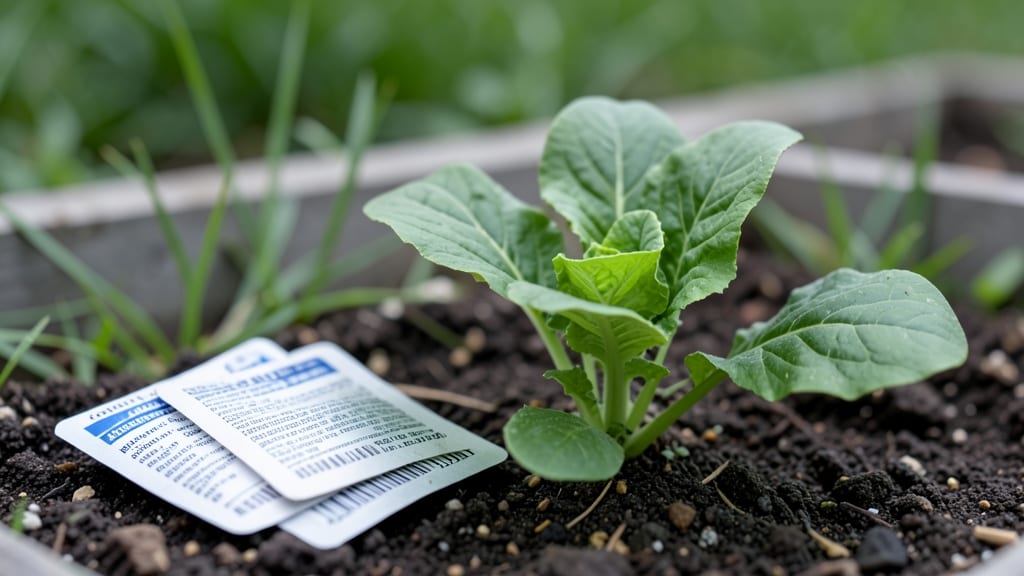
Seed planting isn't just about dropping seeds into dirt—it's a science that balances biology and environment. 🌱 The moment you introduce moisture, seeds activate enzymes that break down stored nutrients, fueling root growth within 24-72 hours. Temperature plays a critical role: cool-season crops like lettuce thrive at 50-65°F, while warm-season tomatoes need 70-85°F to sprout reliably. Even soil texture matters—sandy soil drains too fast, while clay holds moisture but suffocates roots. This is why experienced gardeners often pre-moisten seed-starting mixes and use trays with drainage holes to maintain consistent conditions.
💡 In This Article
- How Seed Germination Works in Plant Growth
- Essential Tools and Techniques for Successful Seed Planting
How seed germination works in plant growth
Here's what's actually happening when a seed begins its journey: the moment it absorbs water, metabolic processes kick into high gear. Inside every seed lies a dormant embryo packed with starches and proteins.
When hydrated, enzymes called amylases break down these stored nutrients into simple sugars that fuel the embryo's first cellular divisions. This process, called imbibition, causes the seed to swell as it absorbs 30-50% of its dry weight in water within hours.
The root (radicle) emerges first, typically within 24-72 hours for most garden seeds, while the shoot remains protected until conditions are optimal.
The timing of germination depends heavily on temperature—most seeds have an ideal range where enzymes work most efficiently. For example, pepper seeds germinate best at 75-85°F, while carrot seeds prefer cooler 60-70°F conditions. Too cold slows enzyme activity, while excessive heat can denature proteins.
Light also plays a role: some seeds like lettuce need light to germinate, while others like beans perform better in darkness. This explains why some gardeners cover seeds with soil while others keep them exposed.
What most people don't realize is how soil composition affects this delicate process. The right mix should provide both aeration and moisture retention—sandy soil drains too quickly, while clay holds water but lacks oxygen.
Ideal seed-starting mixes contain 50-70% peat or coco coir for moisture, 20-30% perlite or vermiculite for aeration, and 10-20% compost for nutrients. Even the seed's position matters: planting too shallow (1/4 inch) exposes it to drying, while burying too deep (2-3 inches) starves it of oxygen.
Some seeds have evolved special mechanisms to break dormancy. Stratification mimics winter conditions by exposing seeds to cold (32-40°F) for weeks, while scarification physically damages seed coats (like nicking them with sandpaper) to allow water penetration.
Apple and peach pits require 60-90 days of cold stratification before they'll sprout, which is why they often fail when planted immediately. This biological adaptation ensures seeds germinate during favorable seasons rather than unpredictable times.
The shoot's emergence is equally fascinating. Once the radicle anchors the seedling, the coleoptile (a protective sheath) pushes upward through the soil, guided by a hormone called auxin. This process requires 10-15% of the seed's energy reserves, which is why seedlings appear fragile at first.
In optimal conditions, this entire process from water absorption to first leaves unfurling takes 7-21 days, though some tropical seeds sprout in just 2-3 days.
Understanding these biological processes helps explain why some gardeners achieve 90% germination rates while others struggle with 30% or less. The key is replicating the seed's natural environment—whether that means maintaining consistent moisture, providing the right temperature, or breaking dormancy through proper preparation. 🌱