
Trees
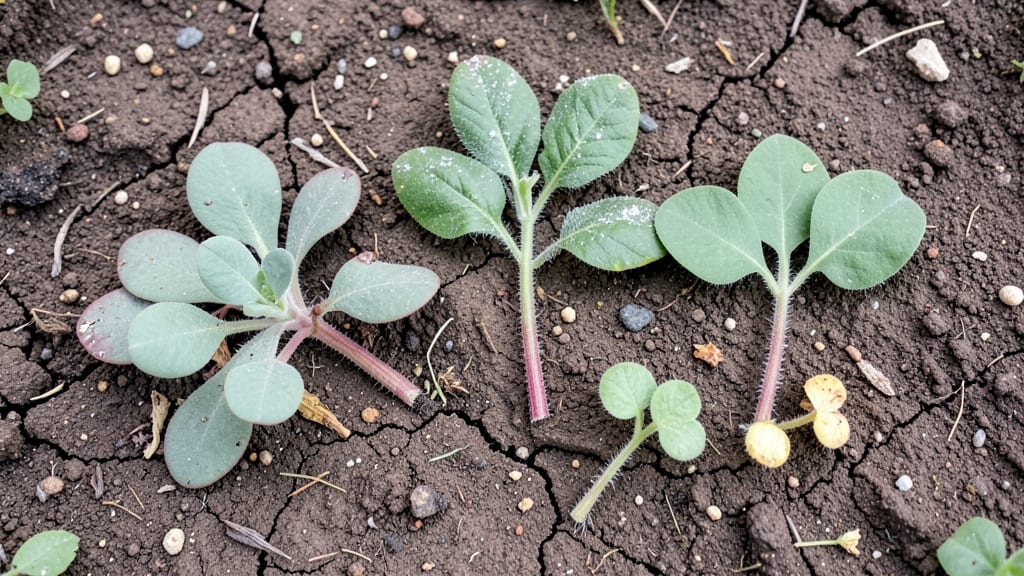
Mastering weed seedling identification early saves your garden from chaos before it starts—just by knowing what to look for in those first tiny leaves. 🌱 I’ve spent years pulling weeds that could’ve been stopped at the seedling stage.
The difference between a healthy garden and a battleground of unwanted growth often comes down to recognizing cotyledons and leaf patterns before they become unruly.
Most weeds reveal themselves through distinct leaf shapes—some have jagged edges, others look like tiny maples or arrowheads. Compare them to your desired plants: a tomato seedling’s first leaves are rounded, while a purslane weed’s are plump and succulent.
Grab a magnifying glass or a phone camera to spot these clues before they spread. Early removal means less digging later.
You’ll spot the difference in just minutes, and your garden will thank you with fewer weeds and more space for what you actually planted. The key is acting fast—once those seedlings grow roots, they’re harder to pull cleanly.
I’ll show you the most common culprits and how to tell them apart from your veggies or flowers.
This works for any garden, from raised beds to in-ground plots, and cuts down on the backbreaking work of weeding later. Let’s get those seedlings identified before they take over!
What Triggers Early Weed Growth
If you’ve ever spotted tiny, unexpected seedlings popping up in your garden or yard, you’re not alone. These uninvited guests don’t just appear out of nowhere—they’re the result of specific conditions that encourage their germination and growth.
Understanding why these seedlings take root can help you prevent them before they become a full-blown problem. Let’s break down the key factors driving early weed growth, from environmental triggers to human habits.
Weed seeds are masters of survival, often lying dormant in soil for years until conditions become just right. This dormancy is a built-in survival strategy, but it also means seeds can germinate unexpectedly when:
- Moisture levels spike: After a dry spell, even a light rain can trigger a sudden flush of seedlings. Seeds absorb water, swell, and break dormancy within 24–48 hours. Pro tip: If you’ve had recent rain or irrigation, expect a "weed bloom" in 3–7 days.
- Temperature shifts: Many weeds germinate best in 60–85°F (15–29°C) ranges. Cool-season weeds (like chickweed) sprout in spring, while warm-season weeds (like crabgrass) wait for summer heat. Pro tip: Mulching can moderate soil temps and delay germination.
- Light exposure: Some seeds need sunlight to germinate (e.g., pigweed), while others (like nutsedge) prefer darkness. Disturbing soil—even with a rake—can expose buried seeds to light, signaling them to sprout.
Weeds thrive where humans create chaos. Every time you till, dig, or aerate your lawn, you’re essentially inviting a seedling party. Here’s how:
| Activity | How It Helps Weeds | Actionable Fix |
|---|---|---|
| Tilling or digging | Buries seeds at shallow depths where they’re more likely to germinate (vs. deep burial, which starves them). | Use no-till gardening or hand-pull weeds to avoid stirring up seeds. |
| Mowing or scalping lawns | Exposes bare soil, letting sunlight trigger dormant seeds (e.g., crabgrass). | Keep grass 3–4 inches tall to block light and shade out weeds. |
| Construction or landscaping | Turns over soil, mixing seeds from topsoil with fresh nutrients, creating a weed buffet. | Apply pre-emergent herbicides before planting or use landscape fabric. |
Weeds don’t just pop up—they’re opportunists that exploit soil imbalances. Two common culprits:
- Over-fertilized soil: Weeds like dandelions and bindweed thrive in nitrogen-heavy soil because they grow faster than grass. Excess fertilizer also weakens desirable plants, leaving gaps for weeds to fill.
- Compacted or poor-draining soil: Areas with clay or hardpan prevent water from draining, creating soggy pockets where weeds like nutsedge or marsh pennywort flourish. Compacted soil also stresses grass roots, leaving room for invaders.
Pro tip: Test your soil’s pH and nutrient levels. Aim for a balanced NPK ratio (e.g., 10-10-10) and avoid over-applying nitrogen.
Not all weed seeds come from your own soil—many are deliberately or accidentally transported by:
- Animal fur or bird droppings: Seeds from cheatgrass or foxtails stick to pets, wildlife, or even your shoes, then germinate in new spots.
- Wind and water: Lightweight seeds (like lamb’s quarters) travel for miles, while water spreads seeds in flood-prone areas.
- Contaminated mulch or compost: Cheap or untreated mulch often contains weed seeds. Even "organic" compost can harbor surprises.
Pro tip: Sanitize tools, boots, and pet bedding between gardens. Use certified weed-free mulch and avoid composting weed-infested plant debris.
By recognizing these triggers, you can disrupt the cycle before weeds gain a foothold. The key? Prevention through smart soil care, minimal disturbance, and vigilant monitoring.
Fixing Weed Seedlings Fast
Got unwanted sprouts popping up? Don’t let them take over—here’s how to tackle them before they become a full-blown problem. Whether you’re dealing with broadleaf weeds, grassy invaders, or stubborn seedlings, these solutions are practical, fast, and easy to follow.
Cause: Tiny seedlings are easier to remove when their roots are shallow. Fix:
- Hand-pull method 👩🌾: Wait for damp soil (after rain or watering) to loosen the dirt. Grasp the seedling at the base and tug gently—no tools needed for small sprouts.
- Use a weeding tool 🔪: For stubborn or larger seedlings, a dandelion digger or hula hoe makes quick work of the job.
- Check for regrowth 🌱: If you pull a weed and see new shoots, dig deeper—some weeds (like dandelions) have persistent root systems.
Prevention Tip: 💡 Mulch regularly (2–4 inches of organic mulch) to block sunlight and suppress weed seeds before they germinate.
Cause: Weeds thrive in sunlight—cut off their access. Fix:
- Cardboard or newspaper method 📰: Lay down unbleached cardboard or thick layers of newspaper (soaked in water) over bare soil. Top with mulch. Weeds can’t penetrate, and the paper decomposes over time.
- Flame weeding 🔥: Use a propane torch (safely!) to singe weeds—works best on young seedlings. Avoid dry grass or flammable debris.
- Boiling water trick 💦: For sidewalk cracks or small patches, pour boiling water directly on weeds. Warning: Only use on non-plant areas—it kills everything it touches.
Prevention Tip: ✨ Plant densely—crowded gardens leave less room for weeds to sprout. Cover bare soil with ground cover plants (like clover or creeping thyme) to outcompete weeds naturally.
Cause: Some weeds (like bindweed or nutgrass) are too tough to pull. Fix:
- Spot-treat with vinegar 🍶: Mix 1 gallon white vinegar + 1 oz dish soap + 2 tbsp salt in a spray bottle. Spray directly on leaves (avoid desirable plants—vinegar kills everything). Reapply after rain.
- Use pre-emergent herbicide 🌱: Apply before weeds sprout (early spring/fall) to create a barrier. Best for lawns and large areas.
- Post-emergent herbicide 💊: For existing weeds, choose a selective herbicide (like 2,4-D for broadleaf weeds) or glyphosate (for non-organic areas). Always follow label instructions!
Prevention Tip: 🔥 Apply corn gluten meal (a natural pre-emergent) in late winter/early spring to prevent weed seeds from germinating.
Cause: Weeds keep coming back because seeds linger in the soil. Fix:
- Remove seed heads 🌾: Before weeds go to seed, snip off flower heads (wear gloves!) to stop the cycle.
- Solarize soil ☀️: In hot climates, cover bare soil with clear plastic for 4–6 weeks to bake weed seeds. Works best in summer heat.
- Improve soil health 🌱: Healthy soil = fewer weeds. Add compost, mycorrhizal fungi, or beneficial microbes to outcompete weeds naturally.
Prevention Tip: 💡 Plant a "weed-smothering" cover crop like buckwheat or winter rye in fall to starve out weed seeds before your main plants go in.
Final Pro Tip: 🎯 Check your soil—compacted or nutrient-poor soil encourages weeds. Aerate and amend with compost to create an unwelcoming environment for unwanted sprouts!
Frequently asked questions
How do I tell the difference between a weed seedling and my actual plants?
Look at the cotyledons (first leaves) and growth patterns. Weeds often have jagged, serrated, or lobed edges, while vegetable seedlings like tomatoes or peppers have smooth, rounded leaves. Use a magnifying glass to spot these details early—before weeds develop true leaves.
What are the most common weed seedlings I should watch for?
Top culprits include dandelion (toothed leaves), pigweed (arrowhead-shaped), chickweed (small oval leaves), and crabgrass (long, narrow blades). Compare these to your planted seeds—most veggies have distinct, non-serrated leaf shapes.
Can I safely remove weed seedlings by hand, or will they regrow?
Yes, but pull them when soil is moist and grasp the entire root to prevent regrowth. Some weeds (like bindweed) have deep roots—dig deeper if you see new sprouts. For stubborn weeds, use a dandelion digger to avoid breaking roots.
How soon after germination should I remove weed seedlings?
Remove them within 3–7 days of sprouting—they’re easiest to pull when roots are shallow. Waiting too long means deeper roots and more seeds spreading. Pro tip: Check your garden daily after rain or irrigation for new sprouts.
What’s the best tool for identifying weed seedlings in large gardens?
A hand lens (magnifying glass) or smartphone with a macro camera works best. Take close-up photos and compare to a weed identification app (like "PlantNet") or a printed guide. For quick checks, carry a small notepad to jot down leaf shapes and locations.