
Vegetables
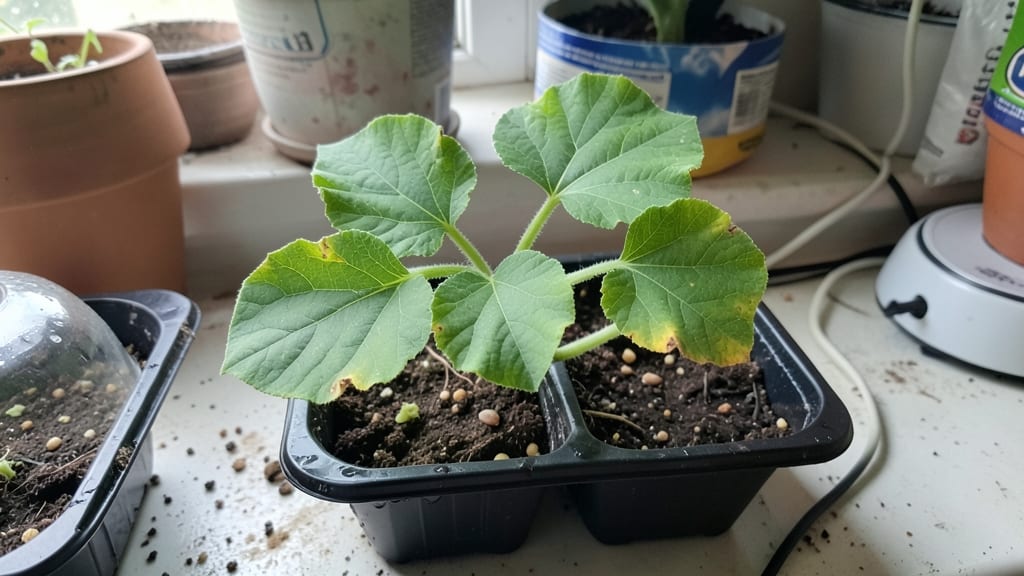
Starting squash seeds indoors 4-6 weeks before your last frost 🎃 is the secret to a head start on summer harvests—and skipping that window means risking weak plants or lost time.
Timing your squash seeds indoors wrong can mean stunted plants or wasted effort—but get it right, and you’ll enjoy a bumper harvest weeks earlier than outdoor starters. Whether you’re in Zone 6a or a warmer region, the key lies in soil warmth and transplant readiness.
Squash thrives when soil hits 60°F+, so indoor starts must align with your local frost date. Too early, and seedlings stretch leggy; too late, and you miss the growing season entirely.
I’ll show you how to nail the window—plus, how to spot when your seedlings are truly ready to move outside.
By the end, you’ll know exactly when to plant, how to avoid common pitfalls, and why a fast transplant is your ticket to a garden full of healthy squash vines.
Optimal indoor start dates for squash by climate Zone
Getting your squash seeds indoors at the right time means the difference between a thriving harvest and leggy, weak seedlings. Since squash thrives in warm soil (60°F+), starting too early can lead to overcrowded trays or transplant shock when moving outdoors.
The key is balancing your last frost date with the 4-6 week germination window squash seeds need indoors.
Most gardeners in USDA Zones 3-10 can start squash seeds indoors 4-6 weeks before their last frost date—but this varies wildly by region.
For example, gardeners in Zone 5 might start in early March, while those in Zone 9 can delay until late February or even early April. Summer squash varieties (like zucchini) germinate faster and can handle cooler soils, while winter squash (like butternut) prefer warmer starts.
Here’s the breakdown: Summer squash can tolerate slightly cooler starts (50°F soil), while winter squash needs soil temps closer to 60°F. If you’re in a microclimate (like a greenhouse or urban heat island), you might push starts earlier by 1-2 weeks.
Always adjust for early vs. late springs—if your area has unpredictable frost dates, err on the side of starting 2 weeks later to avoid transplanting into cold soil.
🎃
| Climate Zone | Last Frost Date | Indoor Start Window (Summer Squash) | Indoor Start Window (Winter Squash) | Notes |
|---|---|---|---|---|
| Zones 3-4 | Mid-May | Early April (4-5 weeks before) | Late March (5-6 weeks before) | Use heat mats for slower germination. |
| Zones 5-6 | Mid-April | Early March (4-5 weeks before) | Late February (5-6 weeks before) | Adjust for early springs by starting 2 weeks earlier. |
| Zones 7-8 | Mid-March | Late January (4-5 weeks before) | Early January (5-6 weeks before) | Can start earlier in microclimates with warm winters. |
| Zones 9-10 | Late December | Late February (4 weeks before) | Early February (5 weeks before) | May delay starts until late winter for cooler microclimates. |
If you’re in a warmer microclimate (like near a brick wall or pavement), you can safely start squash seeds 1-2 weeks earlier than the table suggests. For example, gardeners in Zone 6 with a south-facing greenhouse might start summer squash in late February instead of early March.
Conversely, if your area has a late spring or unpredictable frost dates, delay starts by 1-2 weeks to avoid transplanting into cold soil.
Another critical factor is the variety of squash you’re growing. Summer squash (like zucchini or pattypan) germinates faster and can handle cooler starts, while winter squash (like butternut or acorn) needs warmer soil to thrive.
For winter squash, consider using a heat mat if your indoor temps dip below 65°F during germination. This ensures even, faster sprouting and stronger seedlings.
Pro tip: Use biodegradable pots or peat pellets to avoid transplant shock. Squash has delicate root systems, and disturbing them during transplanting can stunt growth.
If you’re in Zone 10 or warmer, you might even skip indoor starts entirely and direct-sow after your last frost date—just be prepared to protect seedlings with row covers if nighttime temps drop.
Finally, keep an eye on your seedling growth rate. If your squash seeds take longer than 7-10 days to sprout, your indoor environment might be too cold. Aim for 70-75°F during the day and 60°F at night for optimal germination.
With the right timing, you’ll have robust seedlings ready to transplant just as the soil warms up—setting you up for a bountiful harvest.
☀️
How to calculate your exact start window using soil temperature
Squash seeds need warm soil to germinate—ideally 60–70°F—but indoor starting requires a different approach. If you plant too early, seedlings will become leggy and weak. Too late, and you’ll miss the optimal transplant window. The key? Calculating your soil temperature readiness and adjusting your indoor start date accordingly.
Most gardeners rely on last frost dates, but soil temperature is the real game-changer. For squash, 50°F soil is the minimum for germination, but 60°F+ ensures faster, healthier growth.
If your outdoor soil isn’t warm enough yet, you’ll need to extend your indoor growing window with heat mats or grow lights.
- Check your last frost date (find it via the USDA Plant Hardiness Zone Map or local extension office). For Zone 6a, this is typically April 15.
- Subtract 4–6 weeks from your last frost date to get your indoor start window. For Zone 6a, this means starting seeds between March 1–March 15.
- Test your soil temperature outdoors using a soil thermometer. If it’s below 50°F, delay transplanting until it reaches 60°F+.
- Adjust your indoor timeline:
- If soil is below 50°F, start seeds 6–8 weeks early (use heat mats).
- If soil is 50–60°F, start seeds 4–6 weeks early (standard indoor setup).
- If soil is 60°F+, start seeds 2–4 weeks early (faster growth).
- Monitor seedling health. If seedlings look leggy or pale, they need more light or a heat mat to speed up growth.
- Hardening off begins 7–10 days before transplanting. Gradually expose seedlings to outdoor conditions to prevent transplant shock.
Using a heat mat can shave 1–2 weeks off your indoor growing time. These mats keep soil at 70–80°F, mimicking summer conditions and speeding up germination. However, they’re not always necessary—if your indoor space stays 70°F+ naturally, you can skip them.
Pro tip: Keep a seedling journal to track growth rates. Note when you started seeds, germination dates, and transplant dates. Over time, you’ll refine your exact start window for your microclimate. For example, if your soil warms quickly, you might start seeds just 3 weeks early instead of 4.
Remember, transplant shock is the biggest risk when moving squash seedlings outdoors. If nighttime temps drop below 55°F, delay transplanting. Use row covers or wait until soil is consistently warm to avoid stunted growth.